The Invitation
It began with a conversation at a fuel station in Arusha. A young Maasai man named Lempaa was filling a motorcycle with petrol and noticed my camera bag. He spoke excellent English — learned, he told me, through YouTube videos during two years of drought when cattle herding required little movement.
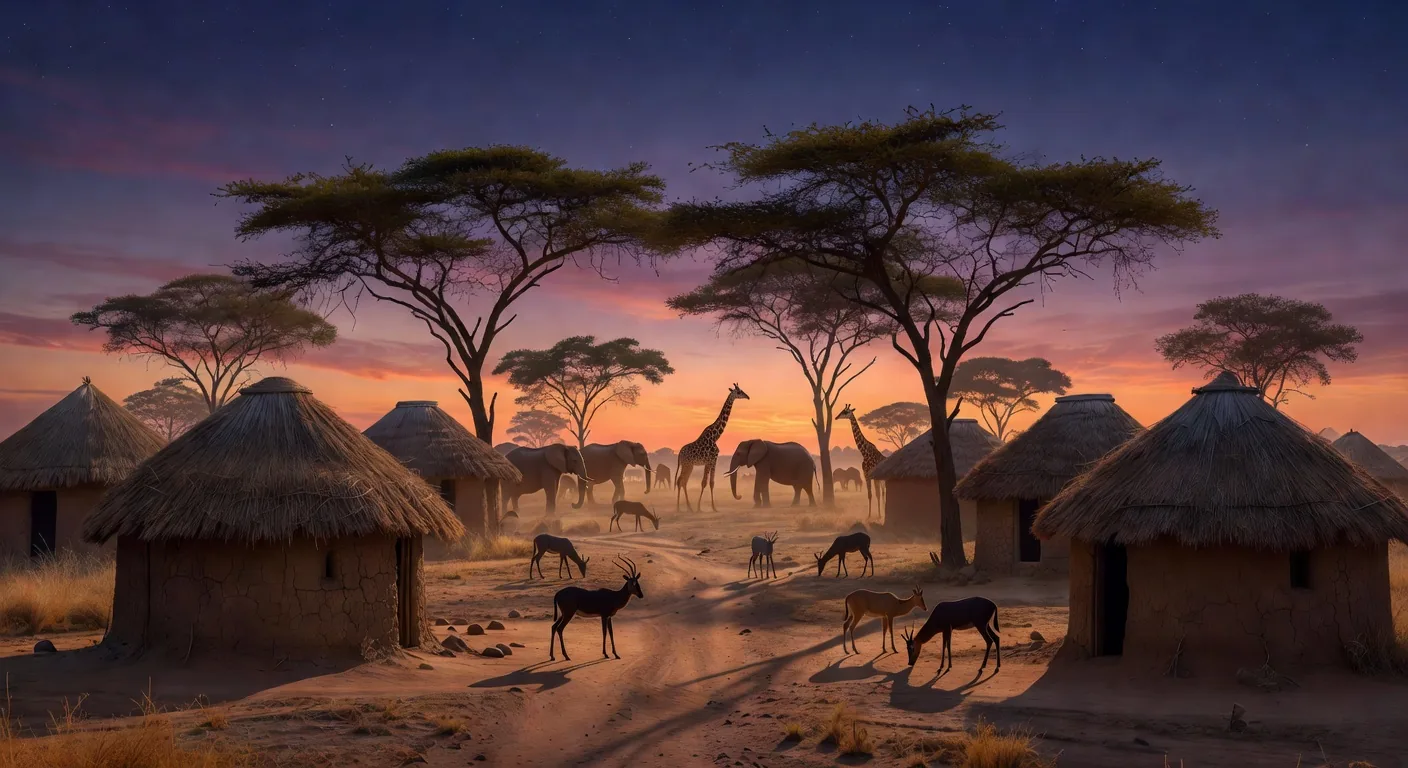
He asked what I was looking for. I told him: a Maasai community that wasn't already on the tourist circuit. He laughed. "You want the real thing?" He gave me coordinates for a boma — a circular family settlement — three hours' drive into the Ngorongoro Conservation Area. "Tell them Lempaa sent you. Bring tea."
First Morning
The matriarch was a woman of perhaps 65 named Naserian. She ran the boma with quiet authority — organizing the milking, directing the younger men on grazing routes, mediating a disagreement about a cow that had strayed into a neighboring family's territory. She was clearly the decision-maker, which surprised me given what I thought I knew about Maasai gender roles.
"The elders make the laws. The women make the decisions. It has always been this way. The tourists don't understand because they only watch the ceremonies."
What Nobody Talks About
The conversation that most changed my understanding happened on day four. Naserian's youngest son, Tipilit (28), had a smartphone and a university application half-completed. He was trying to decide whether to go to Dar es Salaam to study veterinary science — which would benefit the community enormously — or stay, because his leaving would remove one of the three young men capable of managing the herd.
📝 A note on responsible tourism in Maasai communities
Many Maasai communities near major tourist routes have formalized visitor programs — asking for fees, offering cultural performances, selling beadwork. These exist because they need income, and because unmanaged tourism caused significant harm. Support these programs; they are the community's choice about how to engage with the outside world.
The Cattle Question
To understand Maasai culture is to understand the role of cattle — not just as economics, but as identity, spirituality, and social currency. A family's wealth, status, and marriage alliances are all expressed through cattle. The Maasai have traditionally moved their herds across vast distances following seasonal rains — a system of transhumance that maintained soil quality and allowed grasslands to recover.
Climate change has disrupted this profoundly. Rains that once came in predictable patterns no longer do. Drought seasons last longer. The traditional grazing circuits no longer function as they did. Families that might have moved a herd 200 km in a good year now cannot predict where the water will be.