The Island at the Edge of Everything
Satawal is a coral atoll in the Caroline Islands of Micronesia — 1.1 square kilometers of low land, coconut palms, and about 430 people. The island produces no electricity beyond solar panels, has no paved roads, and receives a supply ship perhaps twice a year. It is, by most modern measures, profoundly isolated.
But from Satawal's shores, its master navigators — called pwo — have historically sailed outrigger canoes to islands 500 miles distant with nothing more than their knowledge of stars, ocean swells, cloud formations, bird behavior, and phosphorescence patterns. This tradition, called etak, is one of the most sophisticated navigation systems ever developed by any culture on Earth.
The Star Compass
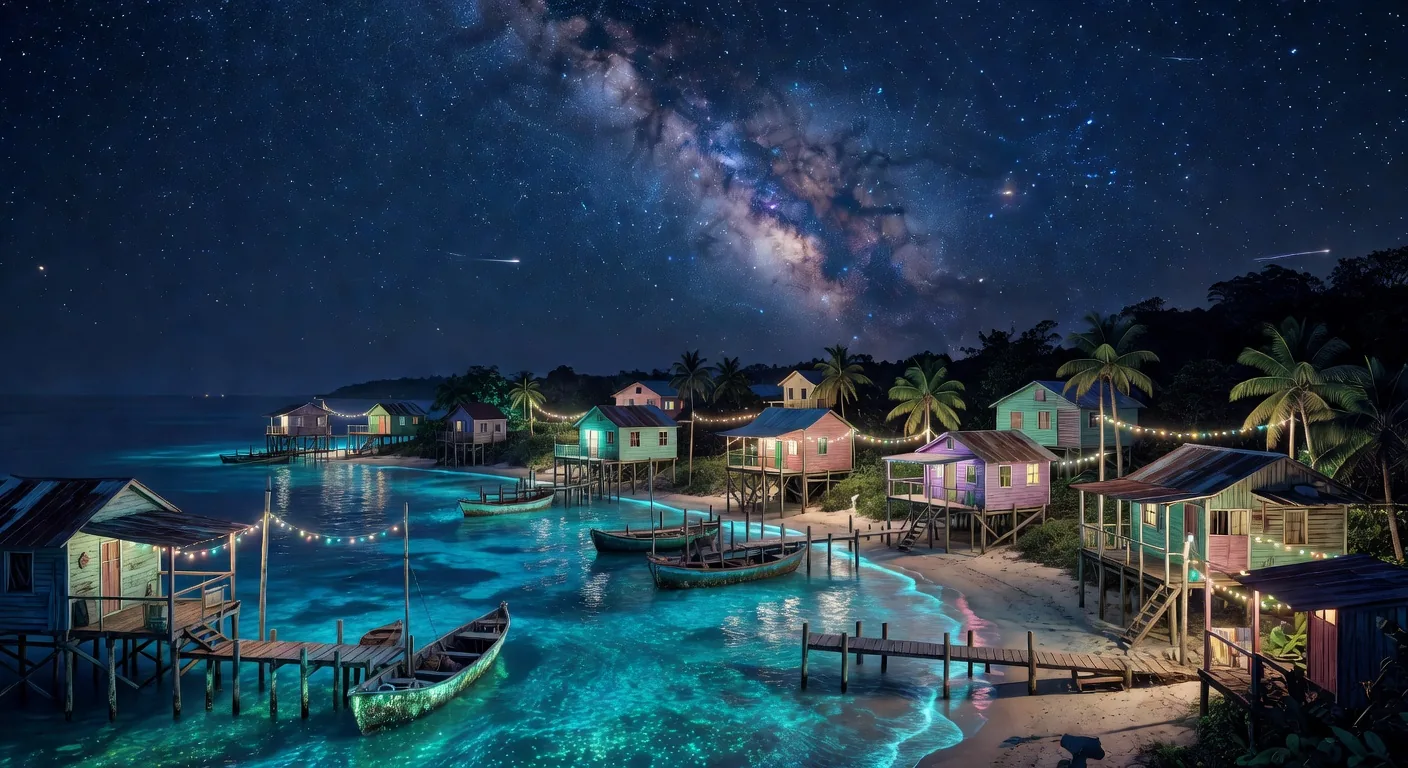
The foundation of Carolinian navigation is a memorized star compass divided into 32 houses — each representing where specific stars rise and set on the horizon at specific times of year. A navigator knows which star sits directly above each island in the network, and sails by keeping those stars in precise relationship to the canoe.
"We don't navigate to the island. The island moves toward us. We stay still. The island comes." — Mau Piailug, Satawal master navigator (1932–2010)
This concept — called etak — is not metaphorical. It is a genuine cognitive reframing of movement that allows the navigator to integrate changing star positions, ocean swells from multiple directions, and the behavior of land-seeking birds into a continuous, real-time model of their position.
🌟 The Last Teachers
As of 2026, Satawal has fewer than six navigators who hold full pwo status — the traditional initiation that certifies deep-ocean wayfinding knowledge. Only two are actively teaching the complete system to younger students. The younger generations face the pull of Guam, Saipan, and the mainland United States, where economic opportunities exist that Satawal cannot offer.
Ocean Memory
What makes the Carolinian system particularly extraordinary is its reliance on swell reading — sensing the direction, period, and wavelength of deep-ocean swells that originate thousands of miles away and pass beneath the canoe even on calm days. A trained navigator feels these swells through the hull, through the seat, through the legs.
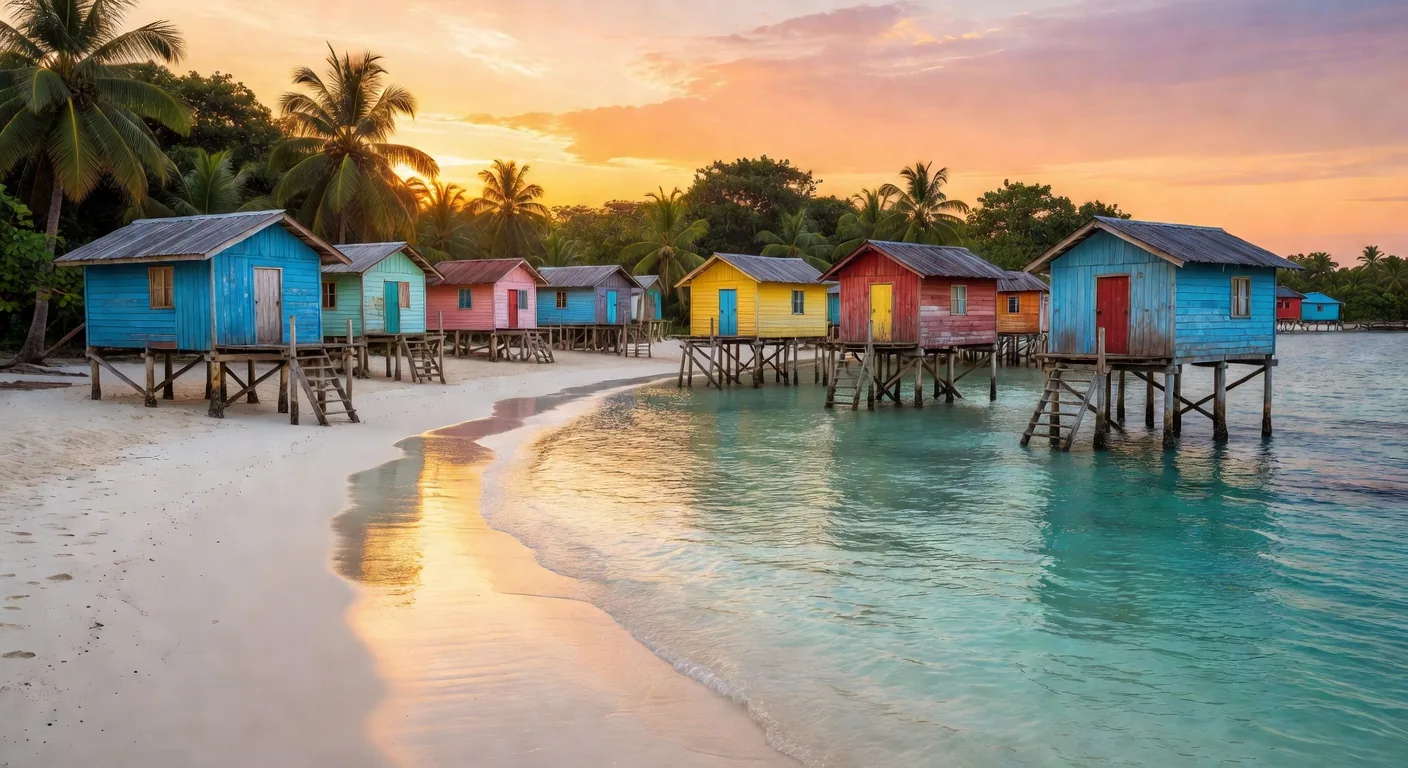
This embodied knowledge cannot be learned from a book or a classroom. It is transmitted through years of voyaging alongside a master — sleeping on the canoe deck, waking at 3am to read the stars, learning to distinguish the swell that comes from the northeast at this time of year from the one that mimics it but comes from the east.
The Future
In 1976, Mau Piailug — Satawal's greatest 20th-century navigator — sailed the rebuilt Hawaiian canoe Hokule'a from Hawaii to Tahiti using traditional wayfinding alone, proving definitively that ancient Polynesian voyages were deliberate navigations, not accidents of drift. It was one of the most significant cultural events of the century.
That voyage sparked a Pacific-wide revival of traditional navigation — the Polynesian Voyaging Society, the Micronesian Navigator's Society, and dozens of canoe-building projects across the islands. But the knowledge that feeds all of them still originates on a coral atoll smaller than a city block.